Top Generative AI Testing Tools to Try in 2026
The landscape of software testing is constantly evolving, and the emergence of Generative AI is poised to revolutionize it further. By 2026, we can expect a robust ecosystem of AI-powered tools that not only assist human testers but also autonomously generate, execute, and analyze tests. This blog post delves into some of the most promising Generative AI testing tools and concepts that will likely dominate the industry in the coming years.
Large Language Models: The Foundation
At the heart of many generative AI testing tools are Large Language Models (LLMs). These powerful AI models are trained on vast datasets of text and code, enabling them to understand, generate, and translate human language and programming constructs. In the testing realm, LLMs will serve as the intelligent backbone for:
- Test Case Generation: Automatically creating detailed test cases from requirements, user stories, or even bug reports.
- Test Script Generation: Writing executable test scripts in various programming languages and frameworks.
- Data Generation: Producing realistic and diverse test data to cover various scenarios.
- Defect Analysis: Helping to pinpoint the root cause of failures by analyzing logs and test results.
- Natural Language Interaction: Allowing testers to interact with testing tools using plain English commands, making test creation and execution more accessible.
Beyond Test Generation: The Complete AI Testing Lifecycle
While generative AI's ability to create tests is revolutionary, its potential extends far beyond initial generation. By 2026, we'll see tools that support the entire AI testing lifecycle, encompassing planning, design, execution, analysis, and maintenance. This holistic approach will lead to more efficient and effective testing processes.
Leading Generative AI Testing Tools to Watch:
Here's a detailed look at some of the top Generative AI testing tools and platforms that will be making waves by 2026:
BrowserStack Generative AI & AI Agents
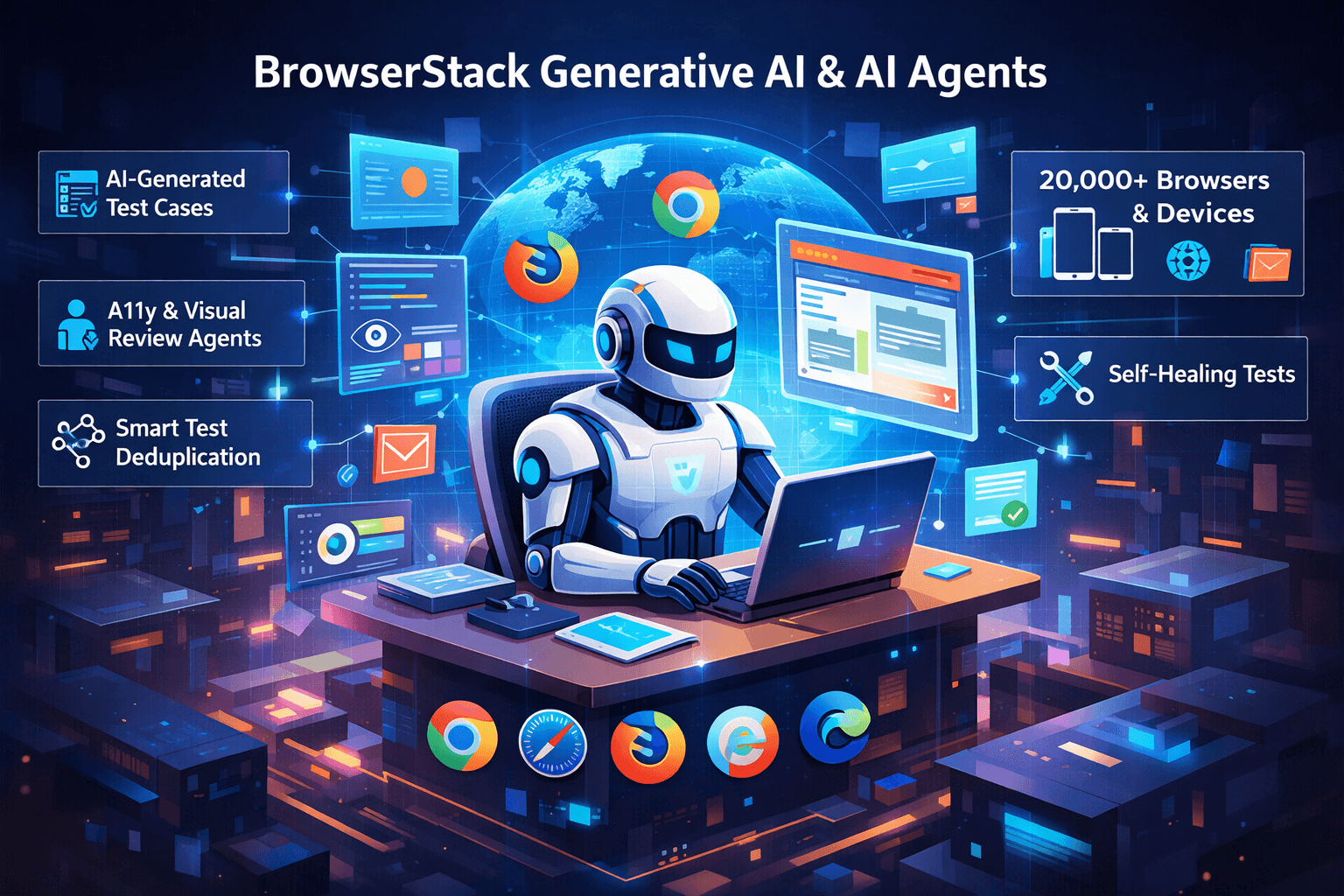
BrowserStack, a leader in cross-browser and device testing, is heavily investing in Generative AI. Their vision includes AI Agents that can autonomously understand application behavior, generate comprehensive test suites, and execute them across a multitude of browsers and devices. Imagine an AI agent that can explore your application, identify critical user flows, and then generate tests for those flows, all without human intervention. This will be a game-changer for ensuring broad compatibility and user experience.
Core Capabilities
- AI-driven test case generation and self-healing tests
- Smart test selection and deduplication across large test suites
- Accessibility (A11y) and visual review agents
- Scalable execution on 20,000+ real browsers and devices
Ideal for enterprises needing cross-platform coverage and robust QA pipelines.
Testsigma Atto
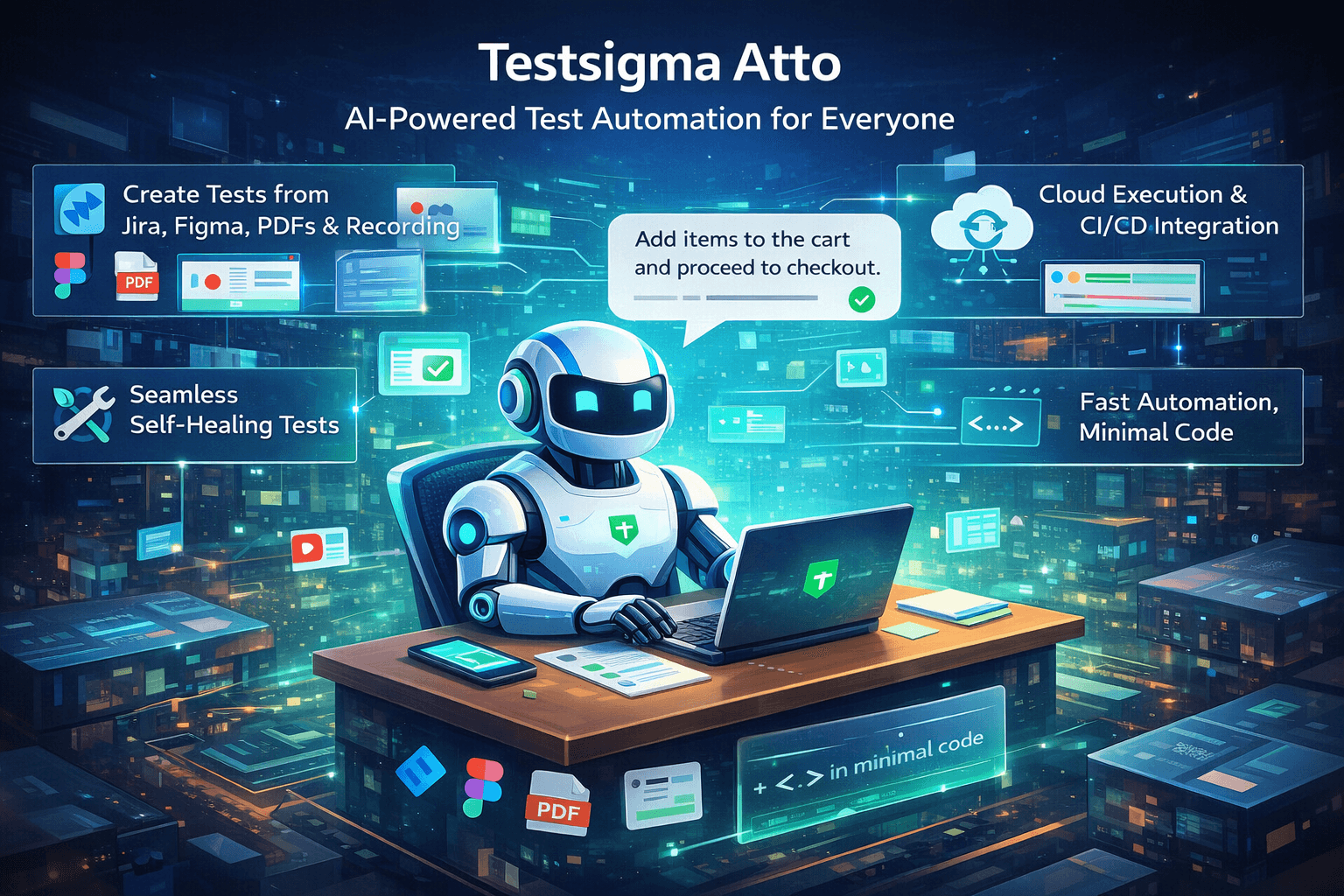
Testsigma Atto is designed to make test automation accessible to everyone. Leveraging generative AI, Atto will enable users to describe their testing needs in plain English, and the tool will automatically generate robust, maintainable test scripts. This significantly reduces the learning curve for automation and empowers a wider range of team members to contribute to testing efforts. Its focus on natural language processing will allow for highly intuitive test creation.
Notable Features
- Create test cases from Jira tickets, Figma designs, PDFs, and screen recordings
- Seamless self-healing across UI changes
- Cloud execution with robust CI/CD integration
Best for teams that want fast automation with minimal code.
Functionize
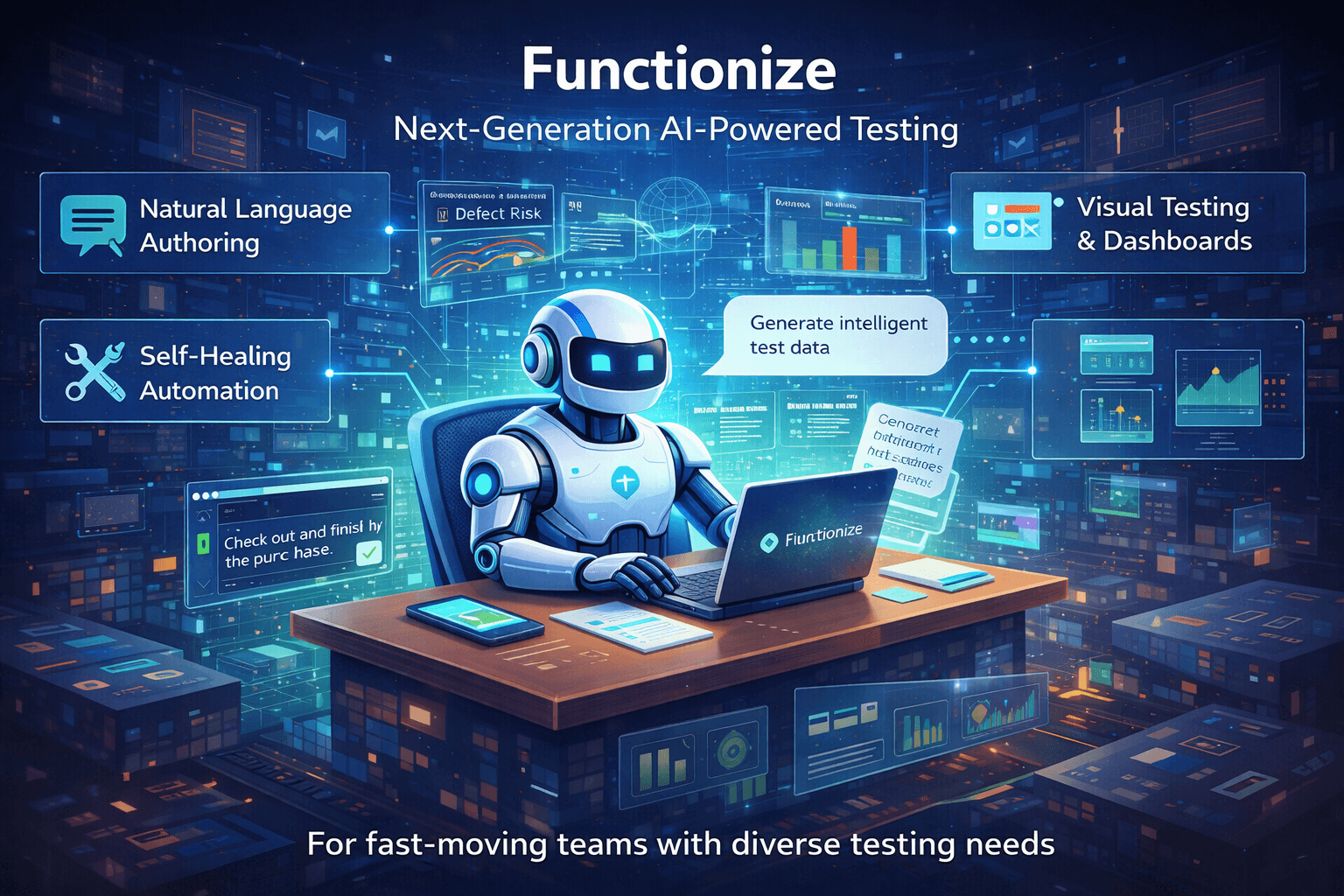
Functionize has long been at the forefront of AI-powered testing, and their generative AI capabilities are set to expand further. They utilize AI to learn application behavior, self-heal tests as the UI changes, and intelligently prioritize test execution. By 2026, Functionize will likely integrate more sophisticated generative AI for intelligent test data generation and even proactive identification of potential defect areas based on predicted user behavior.
Strengths
- Natural language test authoring
- Self-healing automation that adapts to application changes
- Visual testing and analytics dashboards
Best for fast-moving teams with diverse testing needs.
TestR
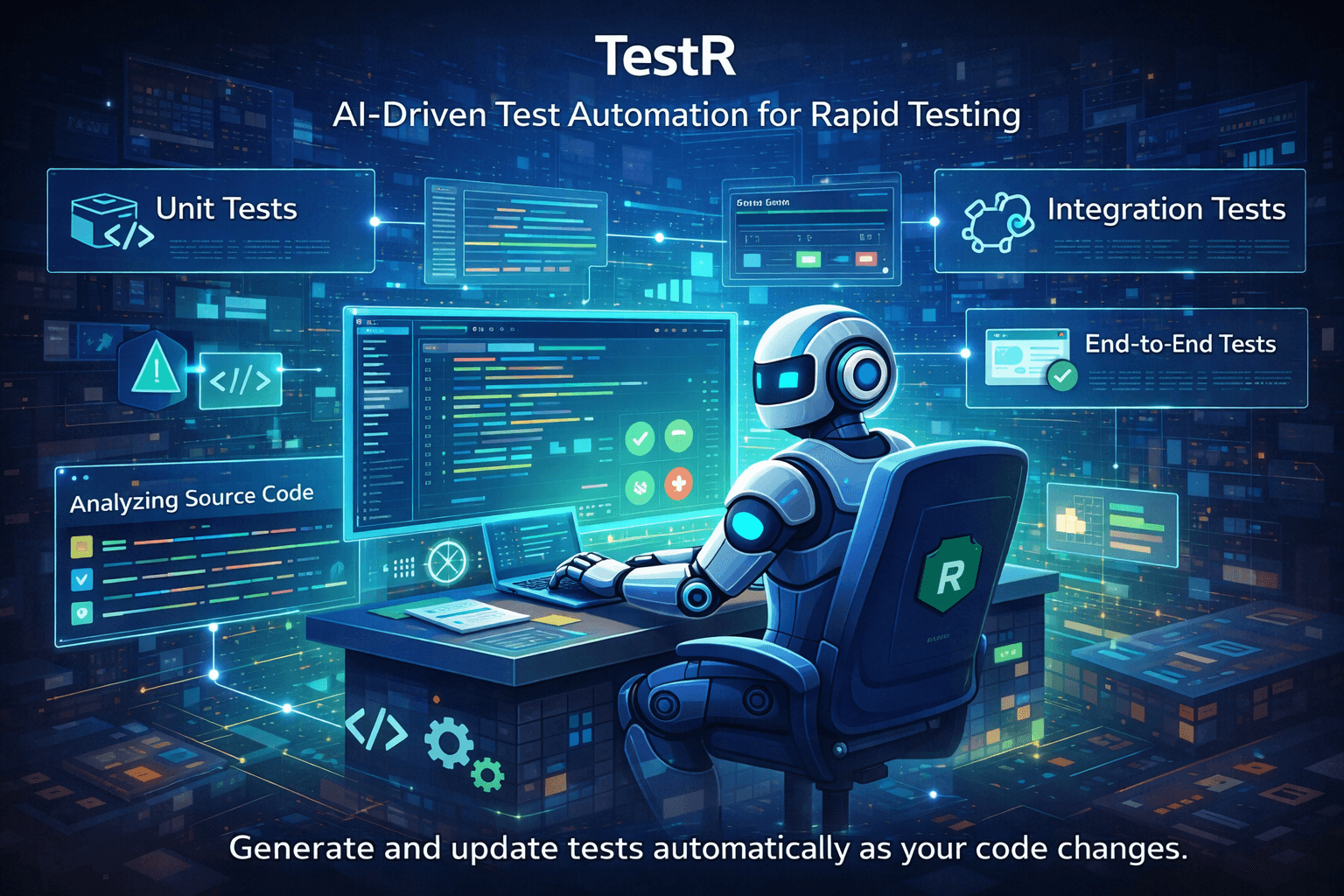
TestR, while perhaps a newer player, is expected to heavily lean into generative AI for rapid test creation and execution. Imagine a tool that can analyze your application's source code and automatically generate a suite of unit, integration, and end-to-end tests, then continuously update them as the codebase evolves. TestR's future lies in its ability to quickly adapt and generate relevant tests with minimal human input.
Katalon Studio AI
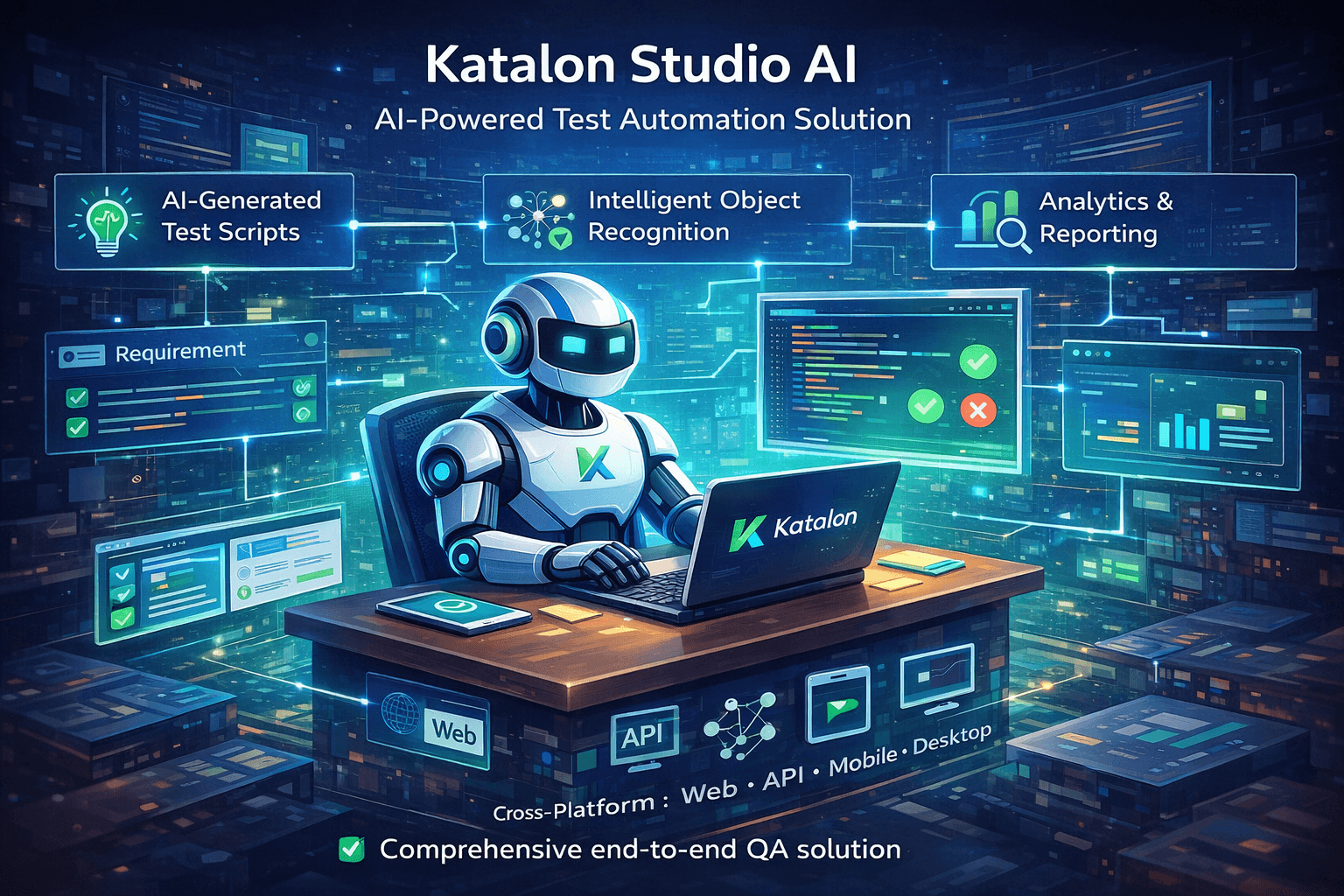
Katalon Studio, a popular automation platform, is integrating AI capabilities to enhance its existing features. Their AI roadmap includes generative AI for intelligent object recognition, self-healing tests, and smart test generation. This will allow Katalon users to leverage the power of AI to create more resilient and efficient test suites, reducing the maintenance burden often associated with automation.
Why It Matters
- Automated test script generation from requirements
- Intelligent analytics and test reporting
- Cross-platform support (Web, API, mobile, desktop)
Best for teams needing a comprehensive end-to-end QA solution.
Virtuoso QA
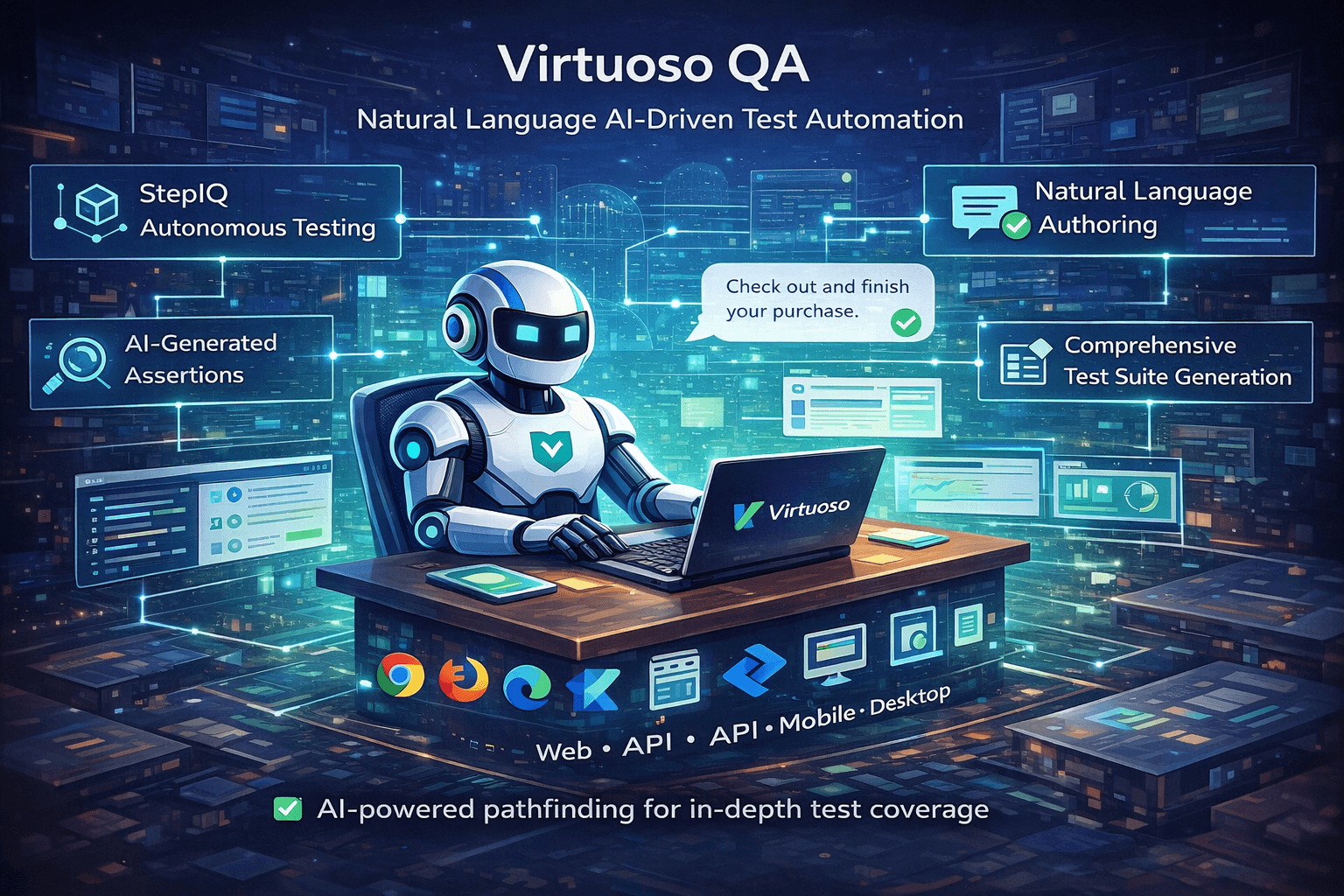
Virtuoso QA offers a unique, natural language approach to test automation. Their "bots" interact with applications like real users, and their generative AI capabilities will further empower these bots to create more sophisticated and diverse test journeys. Virtuoso will leverage generative AI for intelligent pathfinding through applications, creating exploratory tests that mimic real-world user interactions and uncover edge cases.
Highlights
- StepIQ for autonomous creation of logical, coverage-rich test steps
- Natural language authoring and AI-enabled assert generation
- Comprehensive test suite generation from docs, UI, or design assets
Best for testers who want deep AI insight into test creation and maintenance.
Testim
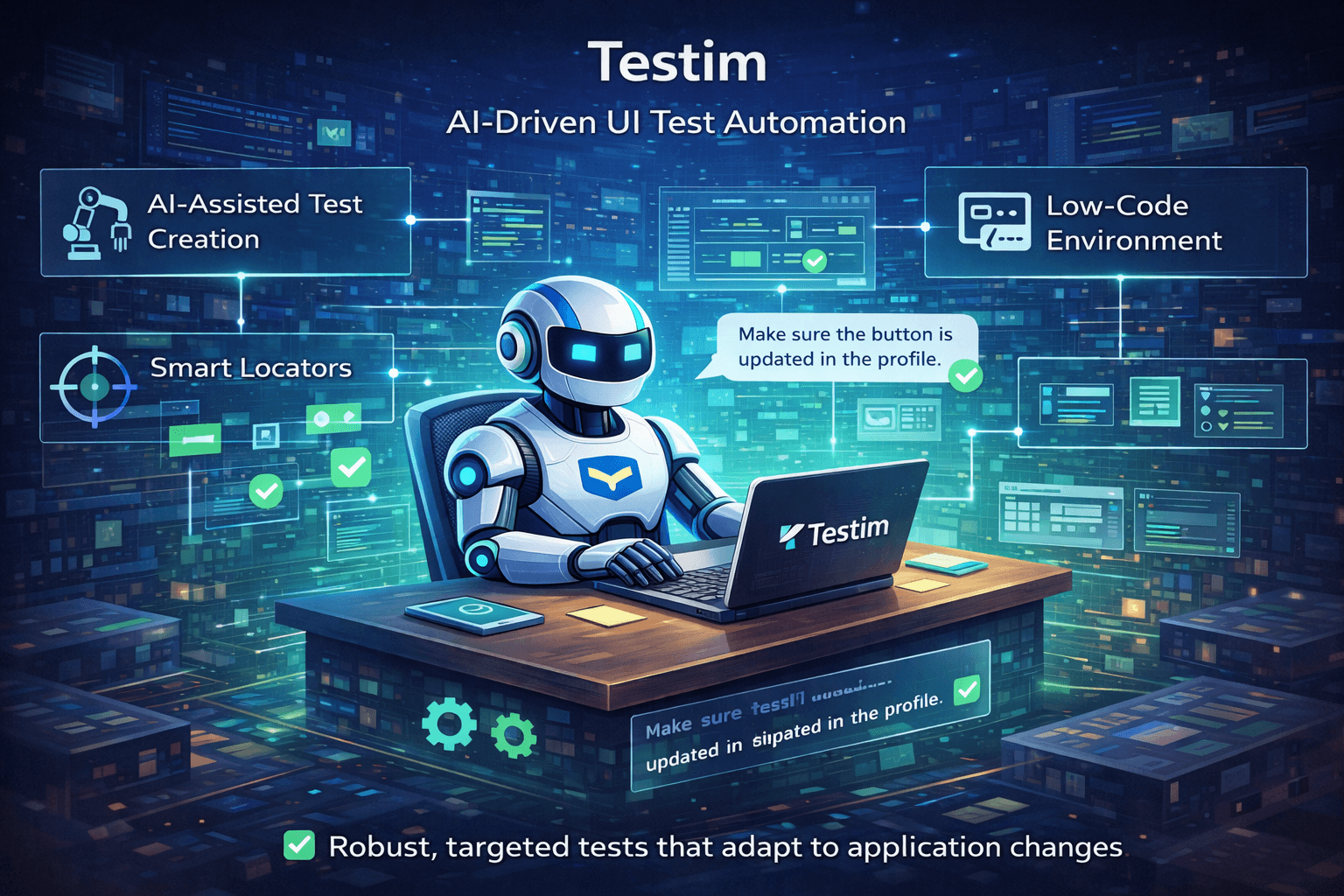
Testim's AI-powered platform already focuses on stability and speed in UI test automation. With generative AI, Testim will likely introduce features that intelligently analyze application changes and generate targeted tests to cover potential regressions, significantly reducing the effort required for test maintenance and increasing confidence in releases.
Features
- AI-assisted test creation and maintenance
- Smart locators to prevent false failures
- Low-code environment for quick onboarding
Best for teams struggling with flaky tests and maintenance overhead.
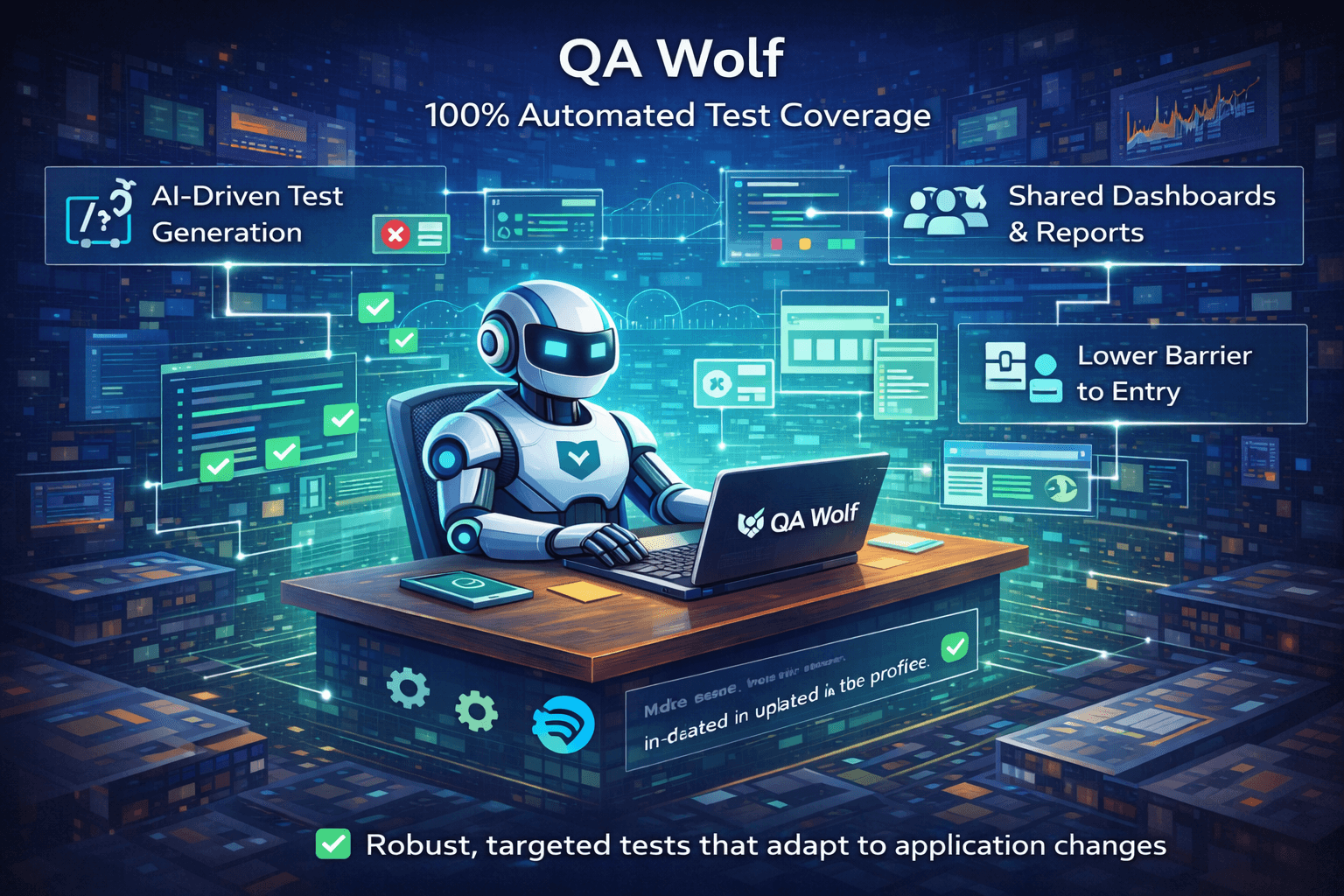
QA Wolf
QA Wolf aims to provide "100% automated test coverage." Generative AI will be crucial for them in achieving this ambitious goal. Expect QA Wolf to use AI to generate comprehensive end-to-end tests from high-level descriptions, intelligently prioritize tests, and self-heal them to maintain continuous coverage even in rapidly evolving applications.
Key Strengths
- AI-driven test generation and visual testing
- Collaborative dashboards and reporting
- Lower barrier to entry
Best for startups and lean teams needing full test coverage with less overhead.
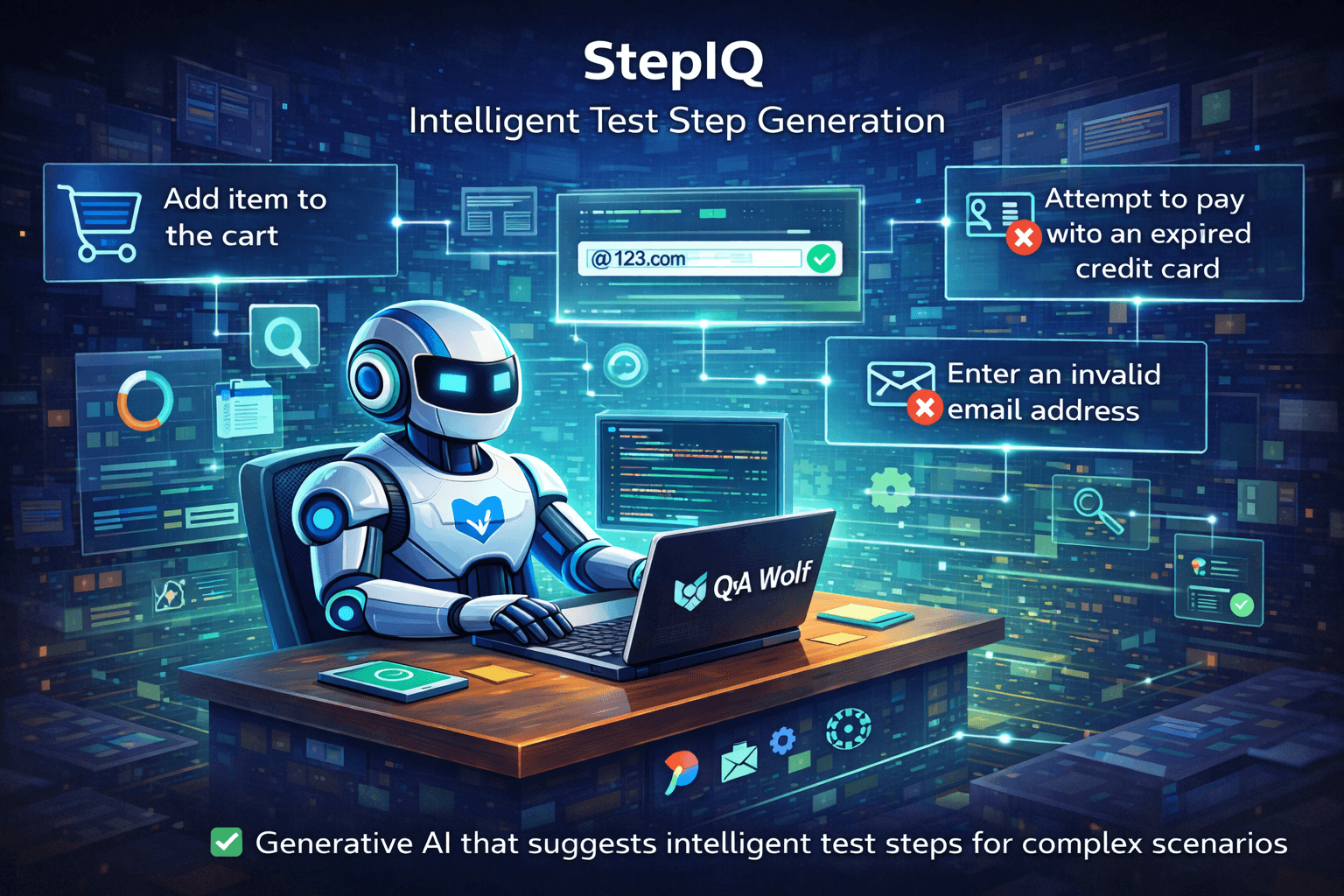
StepIQ: Intelligent Test Step Generation
StepIQ is a concept that emphasizes the granular generation of individual test steps. Leveraging generative AI, StepIQ would analyze the current state of an application and suggest the next logical test actions, allowing testers to build complex test scenarios step-by-step with intelligent guidance. This would be particularly useful for exploratory testing and for generating highly specific negative test cases.
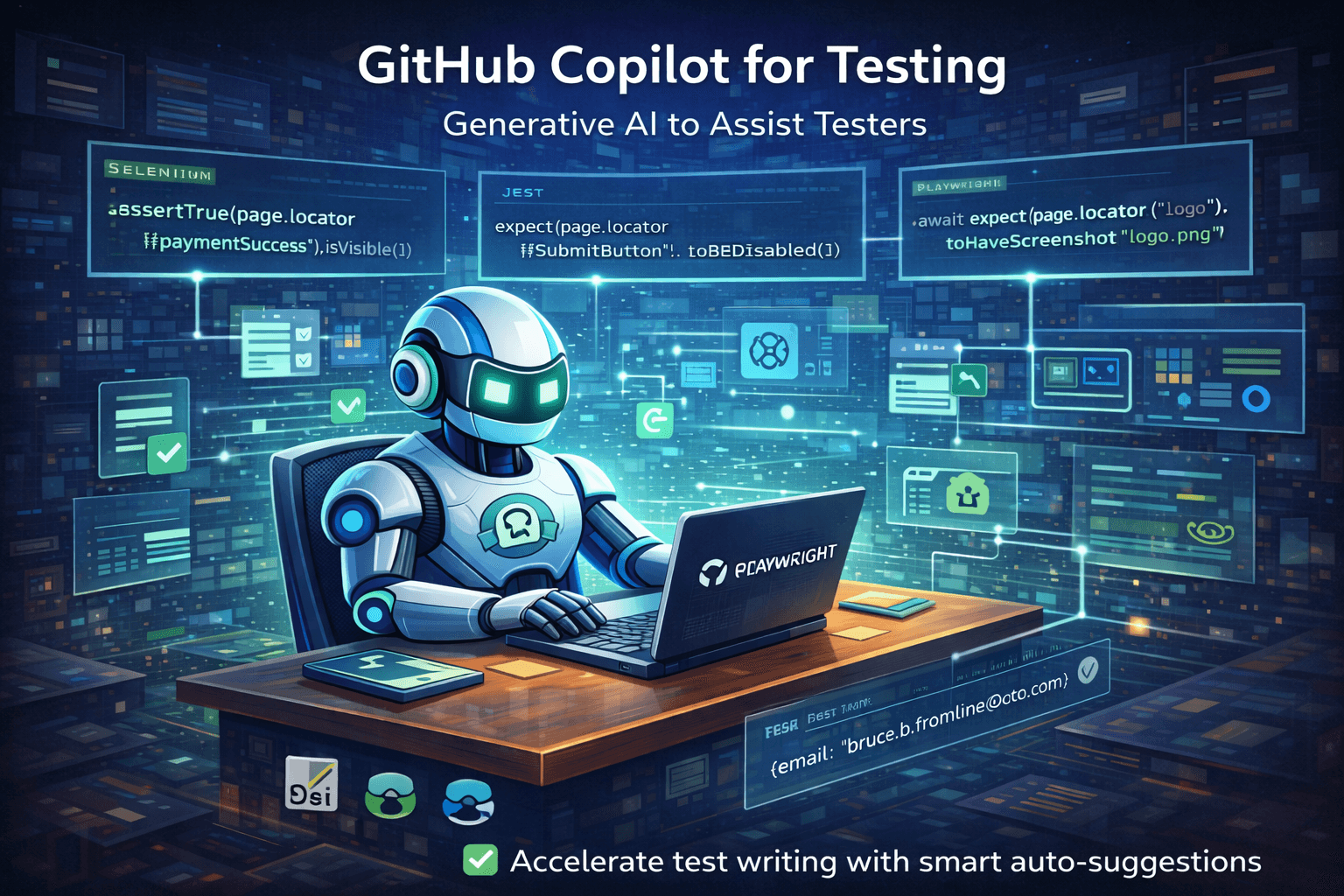
GitHub Copilot for Testing
Just as GitHub Copilot assists developers in writing code, GitHub Copilot for Testing will emerge as an invaluable tool for testers. This generative AI will suggest test assertions, generate boilerplate test code, and even recommend test data based on the context of the application under test. It will significantly accelerate the test development process and promote best practices among testers.
How It Helps
- Suggests and completes test code automatically
- Speeds up test suite creation
- Works across frameworks like Selenium, Playwright, and Jest
Best for developers and QA engineers who live in code editors.
TestRigor: AI-Driven Codeless Testing
TestRigor is renowned for its plain English, codeless automation. Generative AI will further empower TestRigor by enabling users to describe complex test scenarios in even more natural language, with the AI then translating these into robust, executable tests. This will make test automation truly accessible to business users and subject matter experts, bridging the gap between requirements and executable tests.
Choosing the Right Tool for Your Needs
| Team Focus | Best Tools |
| Enterprise-grade automation | BrowserStack GAIA, Virtuoso QA |
| No-code/English-first automation | Testsigma Atto, TestRigor |
| Developer-centric test writing | GitHub Copilot |
| Visual and regression testing | QA Wolf, Testim |
| Cloud CI/CD integration | Mabl, Functionize |
| Deep AI test step generation | Virtuoso StepIQ |
Final Thoughts
Generative AI in testing is not a fad — it’s reshaping how quality engineering teams operate. From LLM-powered test generation to AI agents that optimize execution, these tools promise to improve testing quality, speed up release cycles, and democratize automation across teams.
In 2026, experimenting with at least one of these tools — aligned with your workflow and objectives — could be the difference between manual bottlenecks and intelligent, adaptive QA pipelines.
Written by
