Is OpenAI Building a GitHub Alternative for AI-Powered Developer Toolchains?
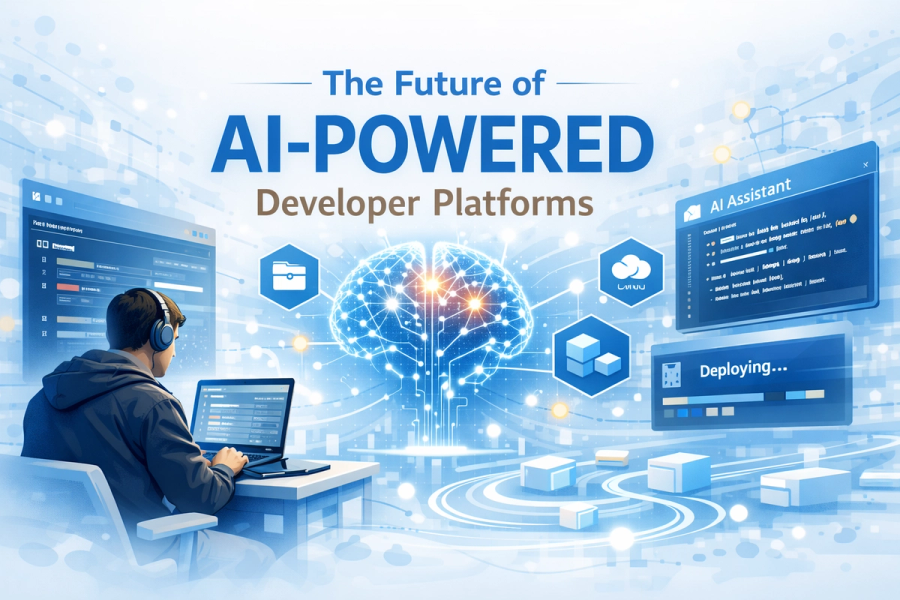
The world of software development is rapidly evolving as artificial intelligence becomes deeply integrated into coding workflows. Tools that once simply stored and managed code are now expected to assist with writing, testing, deploying, and maintaining it. In this changing landscape, speculation is growing that OpenAI could be working toward a developer platform that may eventually rival GitHub.
While nothing has been officially confirmed, the growing ecosystem of AI coding tools and infrastructure suggests that OpenAI may be positioning itself to build a new type of AI-native developer toolchain.
The Current Developer Platform Landscape
Today, most developers rely heavily on platforms like GitHub to manage repositories, collaborate on code, and automate development workflows. GitHub, owned by Microsoft, has become the central hub for millions of developers worldwide.
At the same time, AI-assisted development tools have rapidly gained popularity. One of the most well-known examples is GitHub Copilot, which uses AI models from OpenAI to suggest code in real time.
However, as AI becomes more capable, the role of these tools could expand far beyond code suggestions.
Why OpenAI Might Build Its Own Developer Platform
OpenAI has been steadily expanding its ecosystem. Products like ChatGPT and developer-focused APIs allow teams to build intelligent applications quickly. But developers still rely on external platforms to manage their code and collaboration workflows.
If OpenAI were to build its own platform, it could integrate several features directly into the development lifecycle:
- AI-assisted coding and debugging
- Automated code reviews
- Intelligent testing and deployment
- AI agents that maintain and refactor code
- Integrated model deployment pipelines
Such a platform could transform how developers build and maintain software.
What an AI-First Developer Toolchain Could Look Like
A developer platform designed around AI could work very differently from traditional repositories.
1. AI as a Core Development Partner
Instead of simply suggesting code, AI systems could become full development partners—writing features, fixing bugs, and optimizing performance.
For example, developers could describe a feature in plain language and allow the AI to generate a working implementation.
2. Automated Code Maintenance
Large codebases often require constant updates and refactoring. AI agents could automatically detect outdated dependencies, security vulnerabilities, or inefficient patterns and fix them proactively.
3. AI-Driven Collaboration
Future platforms may include AI assistants that help teams collaborate more effectively by summarizing pull requests, explaining code changes, and recommending improvements.
4. Integrated AI Deployment
Instead of managing separate infrastructure for machine learning models, a unified platform could allow developers to deploy applications and AI models together seamlessly.
Competition With GitHub?
It’s important to note that OpenAI and Microsoft maintain a strong partnership, and GitHub already integrates AI capabilities through GitHub Copilot.
However, the rapid evolution of AI-driven development tools means the ecosystem could diversify. New platforms might emerge that prioritize AI-native workflows, rather than adding AI features to existing systems.
If OpenAI were to enter this space, it could push the industry toward fully autonomous development pipelines.
What This Means for Developers
For developers, the rise of AI-powered platforms could bring several benefits:
- Faster development cycles
- Reduced debugging and maintenance time
- More accessible software development for beginners
- Automation of repetitive tasks
However, it may also reshape traditional workflows and require developers to adapt to AI-assisted programming environments.
The Future of AI-Native Development
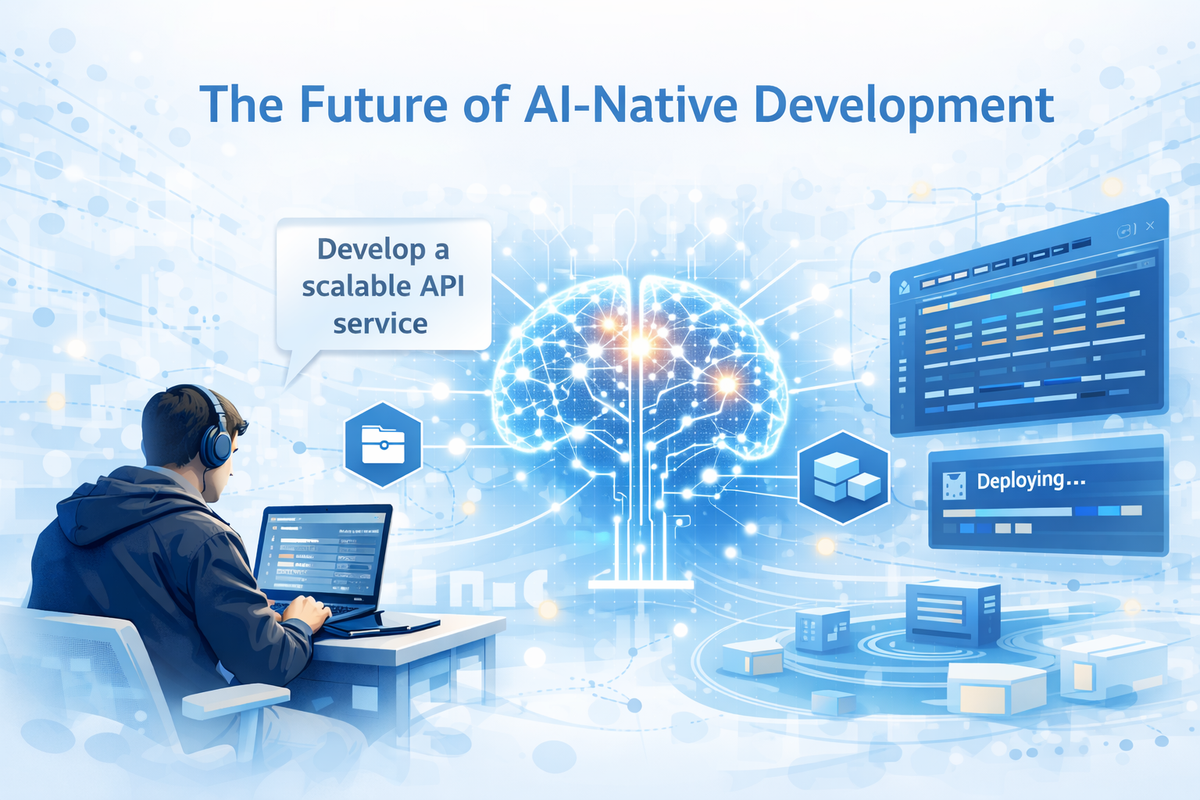
The idea of OpenAI building a GitHub alternative reflects a larger shift happening in the software industry. AI is moving from being a helpful assistant to becoming a core component of the development process.
Whether or not OpenAI launches a full developer platform, one thing is clear: the future of coding will likely involve deeper collaboration between humans and intelligent systems.
As AI continues to evolve, developer platforms may transform from simple code repositories into fully autonomous software development ecosystems
1. The Rise of AI in Software Development
Before discussing a potential platform from OpenAI, it’s important to understand how AI is already transforming software development.
Tools like GitHub Copilot and ChatGPT are helping developers write code faster, detect bugs earlier, and learn new frameworks more easily. AI-assisted programming has moved from experimentation to mainstream adoption, with many teams now integrating AI directly into their development workflow.
This shift signals a broader trend: developers are increasingly relying on intelligent tools to automate repetitive tasks and accelerate innovation.
2. How This Could Change the Developer Workflow
If OpenAI launches a full developer platform, it could reshape the traditional workflow used by developers today.
Instead of manually performing each stage of development, AI-driven systems could assist with:
- Writing initial project scaffolding
- Generating and reviewing pull requests
- Running automated security checks
- Suggesting architecture improvements
- Deploying applications automatically
Platforms like GitHub already support many of these processes, but an AI-native platform could make them far more automated and intelligent.
3. Potential Challenges and Concerns
While the idea of an AI-powered development platform is exciting, it also raises several challenges.
Developer Trust
Developers may hesitate to rely heavily on AI systems for critical production code without strong transparency and verification mechanisms.
Code Ownership and Security
If AI systems are deeply involved in writing and modifying code, questions around intellectual property and security could become more complex.
Learning vs Automation
Some developers worry that heavy automation might reduce opportunities to learn fundamental programming skills.
Balancing automation and developer control will be key for any future platform.
4. What This Means for the Developer Ecosystem
If OpenAI expands deeper into developer infrastructure, it could influence the broader ecosystem of development tools.
Platforms like:
- GitHub
- GitLab
- Bitbucket
may continue evolving their AI capabilities to stay competitive.
This competition could ultimately benefit developers by accelerating innovation in development platforms.
5. The Future of Autonomous Coding
Looking ahead, AI could eventually enable a new category of development tools: autonomous coding systems.
In these systems, developers would focus more on defining goals and product requirements while AI agents handle much of the implementation, testing, and optimization.
Companies like OpenAI are already pushing the boundaries of what AI can do in software development, making the idea of autonomous programming environments increasingly realistic.
Final Thoughts
While there is no official confirmation that OpenAI is building a direct competitor to GitHub, the direction of AI development suggests that AI-native developer platforms are becoming inevitable.
Whether it emerges from OpenAI or another tech company, the next generation of developer tools will likely combine code hosting, AI assistance, automation, and deployment pipelines into a single intelligent platform.
For developers, this shift represents not just new tools—but an entirely new way of building software.
Written by